
2025-10-21
الجرائم الإلكترونية في ظل السلطة القانونية في دولة الكويت
In today’s dynamic digital era, platforms like X have profoundly transformed our communication avenues, offering a space for rigorous dialogue. While these platforms enable vibrant discussions, they have also prompted conservative calls for the Ministry of Interior’s oversight, aiming for a discourse in line with our strict legal parameters.
A frequent question often contemplated is: How robustly does the Kuwaiti Constitution champion freedom of speech? Articles 36 and 37 of our Constitution support the freedom of opinion. However, several laws restrict this freedom. It is crucial to highlight that at the heart of any genuine democracy is an unwavering commitment to freedom of opinion. That is why Article 6 of Kuwait’s Constitution solidly establishes a key principle about the nation’s sovereignty, emphasizing an individual’s undeniable right to voice their views, advancing the vision of an enlightened society.
Still, over the past two decades, different government administrations have proposed laws that impact these freedoms. Comparing our standards with Western countries suggests a more limited freedom of expression in Kuwait.
In practice, the Ministry of Interior’s role in overseeing digital communications is increasing. Does its jurisdiction solely rest on formal complaints, or does it also consider factors like societal sensitivities, public sentiment, and media reverberations? While formal complaints are essential for cases of slander or defamation, the digital realm has broadened the spectrum of possible offenses. These range from inciting hostility, questioning societal norms, spreading deceptive narratives, to crossing religious lines. Unfortunately, people in many times face legal consequences for their digital content, even when their statements are truthful and unbiased.
This raises a pivotal question: How should we legally define these digital platforms? Drawing from various judicial precedents, we can view these platforms as public spaces. Therefore, digital communicators, whether they are tweeters or publishers, might encounter legal consequences regardless of where the offense took place. Kuwait’s Cassation Court contends that the Penal Code applies to Kuwaiti citizens who commit offenses overseas. Recognizing the internet’s global reach, the court maintains that, because of its universal access, digital infringements fall under Kuwait’s jurisdiction.
In monitoring these digital platforms, the dedicated Electronic and Cyber Crime Police consistently spot users involved in dubious online activities. These individuals are then directed to the relevant Public Prosecution. The startling discovery of over 3,000 digital offense cases in 2022 highlights the increasing scrutiny of our digital environment.
Navigating the intricate landscape of digital freedoms in Kuwait is challenging. As Kuwait delves deeper into the digital age, the endeavor to balance the promotion of expressive freedom with upholding national values becomes more critical. This challenge resembles a fine balancing act, demanding a consistent move towards more freedom and reduced censorship.
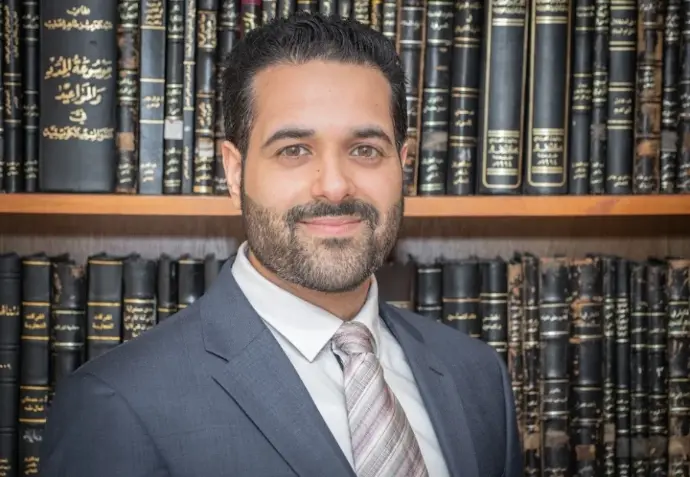
By Dr. Fawaz Khaled Alkhateeb
Attorney and Visiting Assistant Professor at Kuwait International Law School
Email: Fawaz@tahergrp.org
Source: Arab Times
في عصرنا الرقمي المتسارع، أحدثت منصات مثل X تحولًا عميقًا في وسائل التواصل، إذ وفّرت مساحة للحوار والنقاش المفتوح. ورغم أن هذه المنصات تتيح تفاعلات حيوية، فإنها أثارت في المقابل دعوات متحفظة لتعزيز رقابة وزارة الداخلية الكويتية ، بما يضمن توافق الخطاب مع الأطر القانونية الصارمة المعمول بها.
ويُطرح تساؤل جوهري: إلى أي مدى يكفل الدستور الكويتي حرية التعبير؟ تنص المادتان 36 و37 من الدستور على حماية حرية الرأي، إلا أن هناك عددًا من القوانين التي تقيد هذه الحرية. ومن المهم التأكيد أن جوهر أي نظام ديمقراطي حقيقي يقوم على الالتزام بحرية الرأي، وهو ما تعززه المادة 6 من الدستور التي ترسخ مبدأ سيادة الأمة، وتؤكد حق الفرد في التعبير عن آرائه بما يسهم في بناء مجتمع متنوّر.
ومع ذلك، شهدت العقود الأخيرة طرح عدد من التشريعات من قبل الحكومات المتعاقبة أثّرت على نطاق هذه الحريات. وعند مقارنة الوضع في الكويت ببعض الدول الغربية، يتضح أن هامش حرية التعبير أكثر تقييدًا.
على أرض الواقع، يتزايد دور وزارة الداخلية في مراقبة المحتوى الرقمي. ويُثار التساؤل حول ما إذا كان اختصاصها يقتصر على الشكاوى الرسمية، أم يمتد ليشمل اعتبارات مثل الحساسية المجتمعية، والرأي العام، وتأثير وسائل الإعلام. ففي حين تُعد الشكاوى الرسمية ضرورية في قضايا السب والقذف، فإن الفضاء الرقمي وسّع نطاق الأفعال التي قد تُعد مخالفات، مثل التحريض، ومخالفة الأعراف المجتمعية، ونشر معلومات مضللة، أو تجاوز الخطوط الدينية. وفي كثير من الأحيان، قد يتعرض الأفراد للمساءلة القانونية بسبب محتواهم الرقمي، حتى وإن كانت تصريحاتهم صحيحة أو غير متحيزة.
ويثير ذلك تساؤلًا مهمًا حول الطبيعة القانونية لهذه المنصات. واستنادًا إلى سوابق قضائية، يمكن اعتبار هذه المنصات فضاءات عامة، ما يعني أن المستخدمين—سواء كانوا مغردين أو ناشرين—قد يواجهون تبعات قانونية بغض النظر عن مكان ارتكاب الفعل. وترى محكمة التمييز أن قانون الجزاء الكويتي يسري على المواطنين الكويتيين حتى في حال ارتكابهم أفعالًا خارج البلاد. وبالنظر إلى الطبيعة العالمية للإنترنت، فإن المخالفات الرقمية تندرج ضمن الاختصاص القضائي للكويت.
وفي إطار متابعة هذه المنصات، تقوم إدارة مكافحة الجرائم الإلكترونية برصد الأنشطة المشبوهة، ويتم إحالة المخالفين إلى النيابة العامة المختصة. ويُظهر تسجيل أكثر من 3,000 قضية جرائم رقمية خلال عام 2022 حجم الرقابة المتزايدة على البيئة الرقمية.
إن التعامل مع التوازن بين حرية التعبير والالتزام بالقيم الوطنية في الكويت يُعد تحديًا معقدًا. ومع التوسع المستمر في الفضاء الرقمي، تزداد أهمية إيجاد توازن دقيق بين تعزيز حرية التعبير والحفاظ على الضوابط القانونية، بما يضمن التقدم مع الحد من القيود غير الضرورية.
بقلم الدكتور فواز خالد الخطيب
محامٍ وأستاذ مساعد زائر في كلية القانون الكويتية العالمية
البريد الإلكتروني: Fawaz@tahergrp.org
المصدر: Arab Times