
2021-07-08
القطاع القانوني لا يستطيع الاستغناء عن العنصر الأجنبي
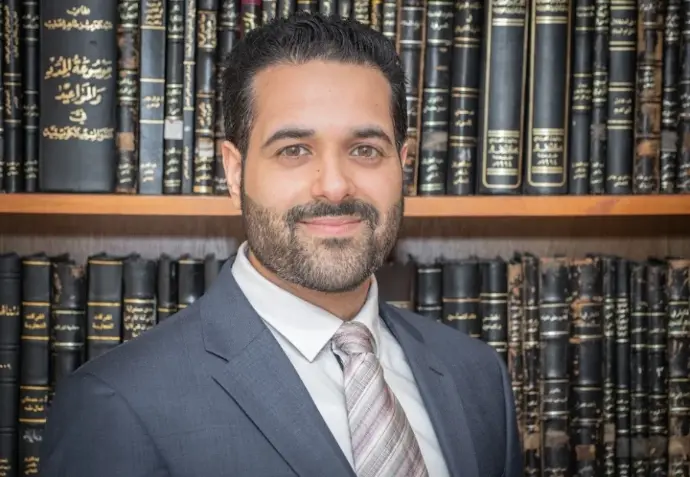
Attorney and legal expert Dr. Fawaz AlKhateeb ruled out the possibility of implementing a decision to nationalize employment in law firms and legal consultancy offices exclusively for Kuwaiti citizens.
He stated that such decisions may be deemed unlawful due to their inconsistency with the Constitution and applicable laws. He further noted that they conflict with the principles of freedom of work and equality and non-discrimination under Kuwaiti law, in addition to contradicting the State’s direction toward transforming Kuwait into a financial and commercial hub.
Dr. AlKhateeb explained that “creating job opportunities for Kuwaitis must be built on a sound foundation namely strengthening the private sector, developing it, and integrating foreign expertise rather than excluding it. This can be achieved by encouraging foreign investment in Kuwait, imposing national workforce quotas on foreign investors instead of reversing the approach, with the aim of making the country an inclusive environment for both local and foreign investment, attracting expertise and ensuring a sense of security for investors.”
He added that “the legal sector in Kuwait cannot dispense with foreign professionals, as the study and practice of law particularly legal consultancy is based on comparative legal analysis across different Arab and foreign jurisdictions. International law firms play an important role in developing legal thought in a way that serves humanity. Moreover, the nature of Kuwaiti society and its population size necessitate reliance on foreign expertise. The standard for employment in the private sector should be competence, experience, productivity, and specialization not nationality.”
He noted that modern societies are characterized by specialization, division of labor, and productivity, and that opposing this approach is neither constructive nor supportive of economic development or increased output. He further emphasized that expatriate labor has come to serve the country while also fulfilling its own needs, and that no nation can advance without maximizing the benefit of skilled human resources and enhancing institutional productivity through expertise.
He concluded that what Kuwait should pursue while respecting the uniqueness of its society is economic development and improved quality of life, away from discriminatory rhetoric that emerges in certain public debates, calling instead for legislation that combats discrimination and inequality.
Source: Alrai
استبعد الدكتور المحامي فواز الخطيب إمكانية تطبيق قرار توطين العمل في مكاتب المحاماة والاستشارات القانونية للمواطنين مبيناً أن مثل هذه القرارات قد تتسم بعيب عدم المشروعية لمُخالفتها للدستور وللقانون، فضلاً عن أنها تتعارض مع حق حرية العمل وحق المُساواة وعدم التمييز في إطار القانون الكويتي، وتصطدم مع توجهات الدولة في تحويل الكويت إلى مركز مالي وتجاري.
وقال الخطيب إن «خلق فرص عمل للكويتيين يجب أن يبنى على الأساس الصحيح، وهو تعزيز العمل الخاص وتنمية القطاع الخاص وإدخال العنصر الأجنبي وعدم إقصائه، وذلك من خلال تشجيع العنصر الأجنبي للاستثمار في الكويت بشكل مباشر، وفرض نسبة عمالة وطنية عليه وليس العكس، فالغاية جعل الدولة شاملة للاستثمار الوطني إلى جانب الاستثمار الأجنبي وخبرته وجذبه وإشعاره بالأمان».
وذكر أن «القطاع القانوني في الكويت لا يستطيع أن يستغني عن العنصر الأجنبي، فدراسة القانون الوضعي بوجه عام والعمل به من خلال الاستشارات القانونية قائم على الدراسة المقارنة بين القوانين على مستوى مختلف المجتمعات العربية والأجنبية، ولا شك أن المكاتب الأجنبية القانونية العالمية لها دور فعّال في تنمية الفكر القانوني بما يخدم البشرية، كما أن طبيعة المجتمع الكويتي وتعداده يُحَتم عليه الاستعانة بالعنصر الأجنبي والأخذ بخبراته، ويجب أن يكون معيار التعيين في القطاع الخاص هو الكفاءة والخبرة والعطاء والإنتاجية والتخصص وليس الجنسية، واليوم تتميز المُجتمعات الحديثة بالتخصص الشديد وتقسيم العمل والإنتاج، والطرح المُغاير غير محمود ولا يُحقق التنمية الإقتصادية وزيادة الإنتاج، ولا ننسى بأن العمالة الأجنبية جاءت لخدمتنا مع تلبية احتياجاتها، ولا يمكن للأمة أن ترفع من شأنها إلّا بتعظيم العائد من الموارد البشرية الخبيرة وتحسين الإنتاج بشكل مؤسسي بالاستعانة بالمهارات.
وختم بأن «ما يجب أن نسعى إليه في الكويت، مع مراعاة خصوصية مُجتمعنا، هو تنمية الاقتصاد وتوفير نوعية حياة أفضل، بعيداً عن الخطاب التمييزي الذي يُثار من بعض العوام في ظل هذه الظروف والذي يجب أن يواجه من خلال سن قانون مكافحة التمييز وعدم المساواة.
المصدر: الراي