
2026-03-14
عندما تتحول كلمة واحدة إلى قضية قانونية
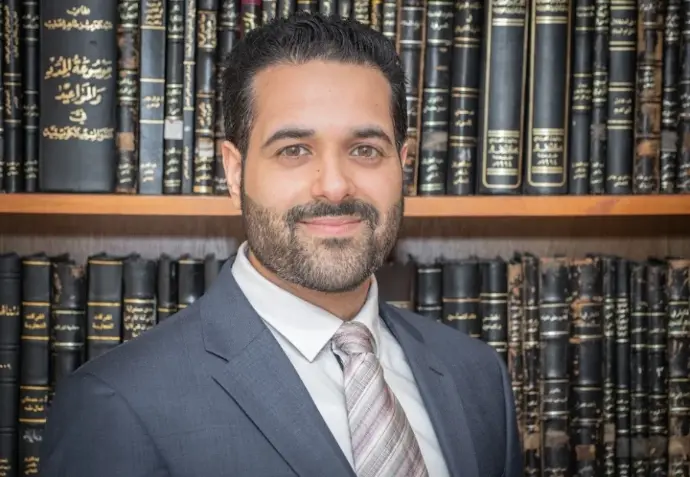
By Dr. Fawaz Khaled Alkhateeb
In the age of social media, words travel faster than ever before. A message written in seconds can reach thousands of people within minutes. What might have been a private conversation is now a public statement, preserved permanently in the digital space. Yet many people still underestimate how powerful - and sometimes how dangerous - a single sentence can be. Over the past two weeks, I have observed several cases in Kuwait where individuals were referred to State Security and later to the Public Prosecution because of words they posted online.
The circumstances varied, but the central element in each case was the same: a short message shared on social media. In some instances, these posts were messages of condolence or expressions of sympathy related to religious figures. To the individuals who wrote them, the intention may have been personal or emotional. But once those words entered the public domain, they became subject to interpretation within a broader legal and political context.
From the perspective of investigators, certain expressions may be interpreted as sympathy toward entities associated with hostile states during a period of heightened regional tension. From a prosecutorial perspective, similar statements may be examined under laws related to sectarian incitement or the promotion of hatred.
This is where Kuwait’s Decree-Law No. 19 of 2012 on the Protection of National Unity becomes relevant. Article 1 of the law prohibits acts or expressions that may incite hatred, provoke sectarian or tribal division, or threaten national unity and social cohesion. The scope of the law is intentionally broad. It covers speech, writing, and all forms of publication, including digital communication and social media platforms.
The rationale behind such legislation is clear. Kuwait, like many diverse societies, relies on a delicate balance of coexistence between communities. Laws protecting national unity are designed to prevent rhetoric that could disrupt that balance and threaten social stability. At the same time, the digital era has introduced new challenges.
The speed and reach of online communication mean that statements are often interpreted far beyond the context in which they were written. A message intended as a gesture of sympathy may be perceived by others as a political statement. A religious expression may be interpreted as a sign of ideological alignment.
In an environment shaped by regional tensions and geopolitical sensitivities, these interpretations can carry significant legal implications.
What is particularly striking in some of the recent cases is the diversity of those involved. They are not confined to one age group or social category. Among them are young individuals at the beginning of their lives, as well as elderly citizens in their seventies. The common denominator is not background or ideology, but simply the act of posting words online. This reality reflects a broader transformation in how society functions in the digital age. Social media has given individuals an unprecedented ability to express their views publicly. But it has also blurred the boundaries between personal opinion and public communication.
Once a message is posted online, it no longer belongs solely to the author. It becomes part of a wider public conversation, open to interpretation, scrutiny, and sometimes legal evaluation. None of this suggests that people should stop expressing themselves. Freedom of expression remains a vital element of any modern society. But it does suggest that expression today requires a higher degree of awareness than ever before.
The law does not simply examine what someone intended to say. It also considers how those words might affect social harmony, public order, or national security. In a region where political developments can rapidly influence public sentiment, the difference between personal expression and public consequence can become very small.
The lesson is therefore not one of fear, but of responsibility. Words have always carried power. What has changed is the scale of their impact. A sentence written on a phone can now cross social boundaries, cultural sensitivities, and legal frameworks within seconds. For that reason, it is worth remembering a simple principle that has become increasingly relevant in the digital era: Before posting a word online, it may be wise to pause and ask not only what we mean to say, but also how those words might be understood by others – and sometimes, by the law itself. Because in today’s interconnected world, a single word can travel much further than its author ever expected.
Source: Arab Times
بقلم: د. فواز خالد الخطيب
في عصر وسائل التواصل الاجتماعي، أصبحت الكلمات تنتقل بسرعة غير مسبوقة. رسالة تُكتب في ثوانٍ يمكن أن تصل إلى آلاف الأشخاص خلال دقائق. وما كان في السابق حديثًا خاصًا، أصبح اليوم تصريحًا عامًا محفوظًا بشكل دائم في الفضاء الرقمي. ومع ذلك، لا يزال كثير من الناس يستخفون بمدى قوة الكلمة الواحدة — وأحيانًا بخطورتها.
خلال الأسبوعين الماضيين، لاحظتُ عدة حالات في الكويت تم فيها إحالة أفراد إلى جهاز أمن الدولة، ثم إلى النيابة العامة، بسبب كلمات نشروها عبر الإنترنت.
تباينت الظروف من حالة إلى أخرى، لكن العنصر المشترك بينها كان واحدًا: رسالة قصيرة تم نشرها على وسائل التواصل الاجتماعي. في بعض الحالات، كانت هذه المنشورات عبارات تعزية أو تعبيرات عن تعاطف تتعلق بشخصيات دينية. وبالنسبة لكُتّابها، قد تكون النية شخصية أو عاطفية بحتة. لكن ما إن دخلت هذه الكلمات إلى المجال العام، حتى أصبحت عرضة للتفسير ضمن سياق قانوني وسياسي أوسع.
من منظور جهات التحقيق، قد تُفسَّر بعض العبارات على أنها تعاطف مع جهات مرتبطة بدول معادية، خاصة في ظل فترات التوتر الإقليمي. ومن منظور الادعاء، قد تُخضع هذه التصريحات للفحص بموجب القوانين المتعلقة بإثارة النعرات الطائفية أو الترويج للكراهية.
وهنا تبرز أهمية المرسوم بقانون رقم 19 لسنة 2012 بشأن حماية الوحدة الوطنية في الكويت. إذ تنص المادة الأولى من هذا القانون على حظر الأفعال أو الأقوال التي من شأنها إثارة الكراهية، أو التحريض على الانقسام الطائفي أو القبلي، أو تهديد الوحدة الوطنية والتماسك الاجتماعي. ويتميّز نطاق هذا القانون بالاتساع، حيث يشمل الكلام والكتابة وجميع أشكال النشر، بما في ذلك الاتصالات الرقمية ومنصات التواصل الاجتماعي.
إن المبرر وراء مثل هذه التشريعات واضح. فالكويت، كغيرها من المجتمعات المتنوعة، تعتمد على توازن دقيق في التعايش بين مكوناتها. وتهدف قوانين حماية الوحدة الوطنية إلى منع الخطاب الذي قد يخلّ بهذا التوازن أو يهدد الاستقرار الاجتماعي. إلا أن العصر الرقمي أوجد تحديات جديدة.
فسرعة وانتشار التواصل عبر الإنترنت تعني أن التصريحات كثيرًا ما تُفسَّر خارج السياق الذي كُتبت فيه. فقد تُفهم رسالة أُريد بها التعاطف على أنها موقف سياسي، وقد يُفسَّر تعبير ديني على أنه انحياز أيديولوجي.
وفي بيئة تتأثر بالتوترات الإقليمية والحساسيات الجيوسياسية، يمكن لمثل هذه التفسيرات أن تحمل تبعات قانونية كبيرة.
واللافت في بعض الحالات الأخيرة هو تنوع الأشخاص المعنيين بها. فهي لا تقتصر على فئة عمرية أو اجتماعية معينة؛ إذ تشمل شبابًا في بداية حياتهم، وكذلك كبارًا في السبعينيات من العمر. والقاسم المشترك بينهم ليس الخلفية أو التوجه، بل مجرد قيامهم بنشر كلمات عبر الإنترنت.
هذا الواقع يعكس تحولًا أوسع في كيفية عمل المجتمع في العصر الرقمي. فقد منحت وسائل التواصل الاجتماعي الأفراد قدرة غير مسبوقة على التعبير عن آرائهم بشكل علني، لكنها في المقابل طمست الحدود بين الرأي الشخصي والتواصل العام.
فبمجرد نشر أي رسالة عبر الإنترنت، لم تعد ملكًا لصاحبها وحده، بل تصبح جزءًا من نقاش عام أوسع، عرضة للتفسير والمساءلة، وأحيانًا للتقييم القانوني.
ولا يعني كل ذلك أن على الناس التوقف عن التعبير عن أنفسهم. فحرية التعبير تظل عنصرًا أساسيًا في أي مجتمع حديث. لكن ما يعنيه ذلك هو أن التعبير اليوم يتطلب قدرًا أكبر من الوعي مقارنة بأي وقت مضى.
فالقانون لا ينظر فقط إلى ما قصده الشخص، بل يأخذ بعين الاعتبار أيضًا كيف يمكن أن تؤثر كلماته على الانسجام الاجتماعي، أو النظام العام، أو الأمن الوطني. وفي منطقة يمكن أن تؤثر فيها التطورات السياسية بسرعة على مشاعر الرأي العام، قد يصبح الفارق بين التعبير الشخصي والنتائج العامة ضئيلًا جدًا.
وعليه، فإن الدرس المستفاد ليس الخوف، بل المسؤولية. فالكلمات كانت دائمًا ذات قوة، لكن ما تغيّر هو حجم تأثيرها. إذ يمكن لجملة تُكتب على الهاتف أن تتجاوز الحدود الاجتماعية والثقافية والقانونية خلال ثوانٍ.
لذلك، من المفيد تذكّر مبدأ بسيط أصبح أكثر أهمية في العصر الرقمي: قبل نشر أي كلمة على الإنترنت، من الحكمة أن نتوقف لحظة ونسأل أنفسنا ليس فقط عمّا نريد قوله، بل أيضًا كيف يمكن أن يفهمه الآخرون — وربما كيف يمكن أن يفسره القانون.
ففي عالمنا المترابط اليوم، قد تسافر كلمة واحدة إلى مدى أبعد بكثير مما يتوقعه كاتبها.
المصدر: Arab Times