
2026-04-12
عندما تتجاوز الأعمال الخيرية حدودها: المخاطر القانونية للتبرعات غير المنظمة
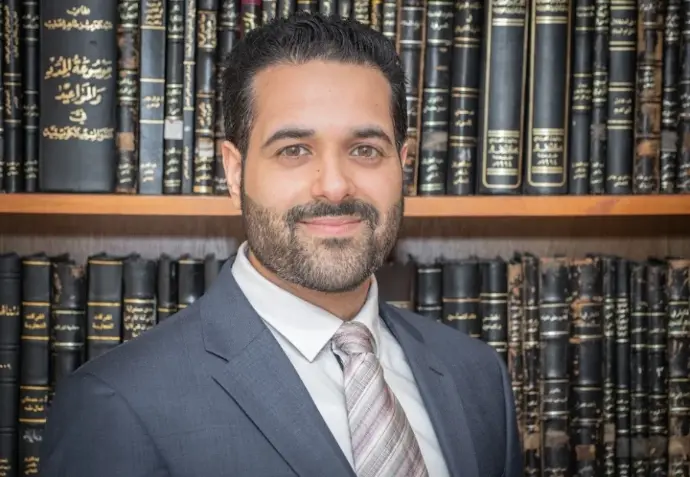
By Dr. Fawaz Khaled Alkhateeb
In today’s interconnected world, acts of charity are often immediate, personal, and driven by genuine compassion. A donation can be made in seconds, sometimes without a second thought.
But recent developments in Kuwait serve as a powerful reminder that even the most well-intentioned acts can carry serious legal consequences when they fall outside the boundaries of the law.
At its core, the issue is frequently misunderstood. This is not a matter of religion. It is not a matter of discouraging charity. Nor is it a challenge to long-standing traditions such as Zakat or Khums. Rather, it is a matter of legal compliance and financial accountability.
A Structured Legal Framework
For decades, Kuwait has maintained a clear and consistent legal position on public fundraising. Beginning with the 1959 law regulating the collection of funds for public purposes, reinforced by Law No. (24) of 1962 governing public benefit associations, and further developed through modern ministerial regulations, particularly those issued in 2021 the framework is unequivocal:
Funds collected from the public must be channeled exclusively through licensed entities, regulated financial systems, and under official supervision. This is not a procedural formality. It is a protective mechanism designed to ensure transparency, accountability, and lawful use of funds.
Where the Risk Begins
The legal risk does not arise from the act of giving itself. It arises when donations are:
• Collected informally
• Transferred through unregulated channels
• Or redirected away from their declared purposes
At that point, what may have started as a charitable act can quickly evolve into a legal issue, potentially involving regulatory violations or more serious financial implications. Importantly, this transformation does not depend on malicious intent. It is triggered by the absence of compliance.
A Critical Distinction
There is a fundamental distinction that must be clearly understood: Religion encourages giving. The law governs how that giving is executed. This principle applies universally.
Whether the donation takes the form of:
• Zakat
• Khums
• General charity
• Or contributions from any faith tradition
No exception exists outside the legal framework.
Beyond Compliance: A Matter of National Interest
In the current regional and global context, the issue extends beyond regulatory discipline. Unregulated financial flows, even when originating from legitimate intentions, can create vulnerabilities within the financial system. For this reason, adherence to the legal framework is not only a matter of personal compliance.
It is also a matter of:
• Protecting public trust
• Preserving the integrity of charitable institutions
• And safeguarding national stability
Presumption of Innocence
As with any matter under investigation, it is essential to reaffirm a core principle of justice: Every individual remains presumed innocent until proven guilty through a fair and transparent legal process. This principle must remain intact, regardless of public discourse or speculation.
The Broader Lesson
Beyond the specifics of any individual case, the broader message is clear. Good intentions, while essential, are not sufficient. From a legal standpoint, individuals are accountable not only for the purpose of their donation, but also for the path it takes, from collection to final use.
Final Word
A donation is not defined solely by its intent. It is defined by its compliance and in that distinction lies the line between lawful charity… and unintended legal exposure.
Source: Arab Times
بقلم الدكتور فواز خالد الخطيب
في عالمنا المعاصر سريع الترابط، أصبحت الأعمال الخيرية أكثر سرعةً وشخصيةً، وغالبًا ما تنبع من دافع إنساني صادق. يمكن إتمام تبرع خلال ثوانٍ، أحيانًا دون تفكير كافٍ في أبعاده.
إلا أن التطورات الأخيرة في الكويت تُعد تذكيرًا مهمًا بأن حتى النوايا الحسنة قد تترتب عليها آثار قانونية جسيمة إذا خرجت عن إطار القانون.
وفي جوهر المسألة، يبرز سوء فهم شائع. فالأمر لا يتعلق بالدين، ولا يهدف إلى تثبيط العمل الخيري، ولا يمس التقاليد الراسخة مثل الزكاة أو الخمس. بل يتعلق أساسًا بالامتثال القانوني والمساءلة المالية.
إطار قانوني منظم
على مدى عقود، تبنّت الكويت موقفًا قانونيًا واضحًا بشأن جمع التبرعات. بدءًا من قانون عام 1959 بشأن تنظيم جمع الأموال للأغراض العامة، مرورًا بالقانون رقم (24) لسنة 1962 بشأن جمعيات النفع العام، وصولًا إلى اللوائح الوزارية الحديثة—لا سيما الصادرة في عام 2021—فإن الإطار القانوني واضح:
يجب أن تتم جميع عمليات جمع التبرعات من الجمهور عبر جهات مرخصة، ومن خلال قنوات مالية منظمة، وتحت إشراف رسمي.
وهذا ليس مجرد إجراء شكلي، بل آلية حماية تهدف إلى ضمان الشفافية والمساءلة والاستخدام المشروع للأموال.
متى تبدأ المخاطر؟
لا تنشأ المخاطر القانونية من فعل التبرع بحد ذاته، بل تظهر عندما:
- يتم جمع التبرعات بشكل غير رسمي
- تُحوَّل عبر قنوات غير خاضعة للرقابة
- أو تُستخدم في غير الأغراض المعلنة
عند هذه النقطة، قد يتحول العمل الخيري إلى مسألة قانونية، قد تتضمن مخالفات تنظيمية أو آثارًا مالية أكثر خطورة. والأهم أن ذلك لا يشترط وجود نية سيئة، بل يكفي غياب الامتثال.
تمييز جوهري
هناك فرق أساسي يجب إدراكه:
الدين يحث على العطاء، أما القانون فينظم كيفية هذا العطاء.
وهذا المبدأ يسري على جميع أشكال التبرعات، سواء كانت:
- زكاة
- خمس
- صدقات عامة
- أو تبرعات من أي معتقد آخر
فلا يوجد استثناء خارج الإطار القانوني.
ما يتجاوز الامتثال: مصلحة وطنية
في ظل السياق الإقليمي والدولي الحالي، تتجاوز المسألة حدود التنظيم الإداري. فالتدفقات المالية غير المنظمة—even إذا كانت بنوايا سليمة—قد تخلق مخاطر على النظام المالي.
لذلك، فإن الالتزام بالقانون لا يقتصر على كونه واجبًا فرديًا، بل يشمل:
- حماية الثقة العامة
- الحفاظ على نزاهة العمل الخيري
- دعم الاستقرار الوطني
قرينة البراءة
كما هو الحال في أي قضية قيد التحقيق، يبقى مبدأ أساسي حاضرًا:
كل شخص بريء حتى تثبت إدانته بحكم قضائي نهائي عادل وشفاف.
ويجب احترام هذا المبدأ بعيدًا عن أي أحكام مسبقة أو تداول إعلامي غير منضبط.
الدرس الأوسع
بعيدًا عن تفاصيل أي حالة فردية، فإن الرسالة واضحة:
النوايا الحسنة وحدها لا تكفي.
فمن الناحية القانونية، يُسأل الأفراد ليس فقط عن هدف التبرع، بل عن المسار الذي تسلكه الأموال—from جمعها إلى استخدامها النهائي.
كلمة أخيرة
التبرع لا يُقاس بنيته فقط، بل بمدى التزامه بالقانون.
وفي هذا الفارق، تتحدد الحدود بين العمل الخيري المشروع… والتعرض غير المقصود للمساءلة القانونية.
المصدر: Arab Times