
29-7-2026
Build expertise, reputation, lifelong learning ‘for lasting career success’
Future belongs to professionals who combine AI with human judgment: Alkhateeb
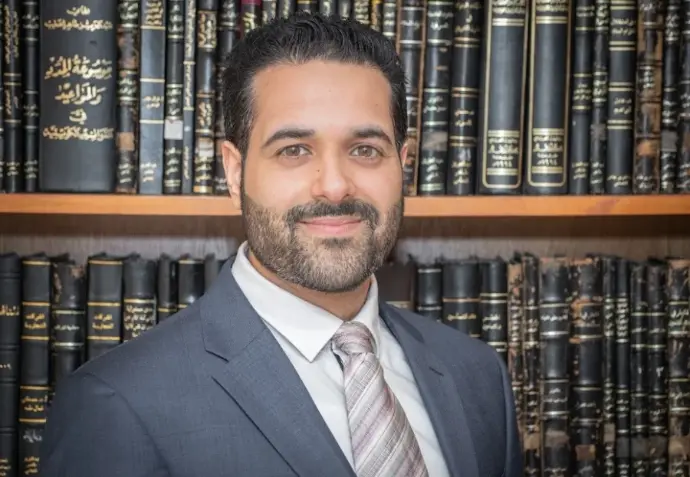
KUWAIT: Young professionals entering Kuwait’s workforce should devote their early career years to developing skills, credibility and discipline rather than focusing on promotions and salaries, according to lawyer, legal strategist and executive educator Dr Fawaz Alkhateeb. Alkhateeb said the first five years of a career should be viewed as a long-term investment that lays the foundation for sustained professional success. “The first five years of a career are not about earning the highest salary. They are about becoming the kind of professional organizations cannot afford to lose,” he said.
He noted that many graduates become overly focused on job titles and rapid career progression instead of building expertise and professional habits that deliver lasting value. “These early years should be treated as an investment in knowledge, discipline and credibility,” Alkhateeb said. “Those who consistently learn, take initiative, solve problems and earn trust build a foundation that benefits them for decades. Careers are rarely defined by the first job; they are defined by the habits developed during those formative years.”
Beyond academic qualifications
Alkhateeb said university degrees may help graduates secure their first job, but long-term success depends on personal qualities and professional conduct. “Academic qualifications may open the door, but attitude determines long-term success,” he said. He added that employers increasingly value accountability, adaptability, reliability and a willingness to learn, alongside effective communication, problem-solving skills and a sense of ownership. “Technical knowledge can be developed, but integrity, professionalism and a positive work ethic are qualities that truly distinguish exceptional employees.”
Developing valuable expertise
For graduates entering today’s labor market, Alkhateeb advised focusing on building expertise in an area that creates tangible value. “Become exceptionally good at something that creates value because specialization builds credibility,” he said. He also encouraged professionals to strengthen communication, critical thinking and digital skills, describing them as essential capabilities that complement technical expertise across all industries. Equally important, he said, is protecting one’s professional reputation from the outset. “Every meeting, every deadline and every interaction contributes to your personal brand. People remember reliability long before they remember a résumé.”
Creating value beyond the job description
With many candidates holding similar academic qualifications, Alkhateeb said the real differentiator is the value employees create after joining an organization. “Today, a degree is often the starting point rather than the competitive advantage,” he said. He encouraged professionals to look beyond their formal responsibilities by improving processes, embracing technology—including artificial intelligence—solving problems and making work easier for colleagues and clients. “Every professional should ask not only, ‘What is my job?’ but also, ‘How can I make this organization better because I am part of it?’”
Human skills remain essential
As artificial intelligence becomes more deeply integrated into workplaces, Alkhateeb said technical expertise alone will no longer guarantee career success. “The future will belong to professionals who combine AI with strong human judgment.” He identified critical thinking, leadership, negotiation, emotional intelligence, creativity, ethical decision-making and strategic thinking as the skills that will become increasingly valuable over the coming decade, while emphasizing that AI literacy is rapidly becoming essential across every profession. “Those who succeed will be the ones who know how to work alongside technology rather than compete against it.”
Lifelong learning and professional reputation
Alkhateeb stressed that continuous professional development is no longer optional in today’s rapidly evolving workplace. “Today’s knowledge can quickly become outdated,” he said, encouraging professionals to dedicate time each week to learning through books, professional courses, industry publications, conferences, mentoring, podcasts and practical experience. “Small, consistent investments in learning produce significant long-term advantages.”
He also highlighted the importance of maintaining a strong professional reputation, particularly in Kuwait’s close-knit business community. “In Kuwait’s close-knit professional community, reputation often reaches the room before you do.” According to Alkhateeb, credibility is built by consistently delivering quality work, honoring commitments, acting with integrity, respecting confidentiality and treating others professionally. “Skills may open opportunities, but trust sustains them. A strong reputation remains one of the most valuable assets any professional can develop.”
A roadmap for career growth
Alkhateeb outlined a phased approach to career development, advising professionals to focus on technical excellence, discipline, communication and credibility during their first three years. Between years four and six, he said, professionals should develop leadership, project management, financial literacy and commercial awareness. During years seven to 10, priorities should shift toward strategic thinking, innovation, negotiation, mentoring and executive decision-making. Throughout every stage, he said, lifelong learning, adaptability, integrity and openness to technological change remain essential.
“The future will not belong simply to the most educated or the most experienced,” Alkhateeb said. “It will belong to those who continuously learn, adapt, embrace technology without losing their humanity, lead with integrity and consistently create value for the people and organizations they serve.” Dr Alkhateeb has been recognized among Reuters’ Top 50 Lawyers in the Middle East and received the 2025 Thomson Reuters Diversity & Inclusion Award for his contributions to the legal profession, leadership and organizational excellence.
Source: Kuwait Times
بناء الخبرة والسمعة المهنية والتعلّم المستمر أساس النجاح المهني المستدام
الخطيب: المستقبل للمهنيين الذين يجمعون بين الذكاء الاصطناعي والحكم البشري السليم
الكويت: أكد الدكتور فواز الخطيب، المحامي والاستراتيجي القانوني والمدرب التنفيذي، أن على الشباب المهنيين الذين يدخلون سوق العمل في الكويت تخصيص السنوات الأولى من مسيرتهم المهنية لتطوير مهاراتهم وبناء مصداقيتهم وتعزيز انضباطهم، بدلًا من التركيز على الترقيات والرواتب.
وأوضح الخطيب أن السنوات الخمس الأولى من الحياة المهنية ينبغي النظر إليها باعتبارها استثمارًا طويل الأمد يؤسس لنجاح مهني مستدام.
وقال: «السنوات الخمس الأولى من المسيرة المهنية لا تتمحور حول الحصول على أعلى راتب، بل حول أن تصبح مهنيًا لا تستطيع المؤسسات الاستغناء عنه».
وأشار إلى أن كثيرًا من الخريجين ينشغلون بصورة مفرطة بالمسميات الوظيفية وسرعة التقدم المهني، بدلًا من بناء الخبرات والعادات المهنية التي تحقق قيمة مستدامة.
وأضاف: «ينبغي التعامل مع هذه السنوات المبكرة باعتبارها استثمارًا في المعرفة والانضباط والمصداقية. فالأشخاص الذين يواصلون التعلم، ويبادرون إلى تحمل المسؤولية، ويحلّون المشكلات، ويكسبون ثقة الآخرين، يؤسسون قاعدة مهنية تعود عليهم بالنفع لعقود».
وتابع: «نادرًا ما تتحدد المسيرة المهنية بالوظيفة الأولى، بل تتشكل بالعادات التي يكتسبها الإنسان خلال تلك السنوات التأسيسية».
ما يتجاوز المؤهلات الأكاديمية
وأوضح الخطيب أن الشهادات الجامعية قد تساعد الخريجين على الحصول على وظائفهم الأولى، لكن النجاح على المدى الطويل يعتمد على الصفات الشخصية والسلوك المهني.
وقال: «قد تفتح المؤهلات الأكاديمية الأبواب، لكن السلوك والنهج المهني هما ما يحددان النجاح على المدى الطويل».
وأضاف أن أصحاب العمل باتوا يولون أهمية متزايدة لتحمل المسؤولية، والقدرة على التكيف، والموثوقية، والاستعداد للتعلم، إلى جانب مهارات التواصل الفعّال وحل المشكلات والشعور بالمسؤولية تجاه العمل ونتائجه.
وأكد أن «المعرفة التقنية يمكن تطويرها، لكن النزاهة والاحترافية وأخلاقيات العمل الإيجابية هي الصفات التي تميز الموظفين الاستثنائيين فعلًا».
تطوير خبرات ذات قيمة
ونصح الخطيب الخريجين الذين يدخلون سوق العمل اليوم بالتركيز على بناء خبرة متخصصة في مجال يحقق قيمة ملموسة.
وقال: «احرص على أن تصبح متميزًا بدرجة استثنائية في مجال يحقق قيمة حقيقية، لأن التخصص يبني المصداقية».
كما شجع المهنيين على تعزيز مهارات التواصل والتفكير النقدي والمهارات الرقمية، واصفًا إياها بقدرات أساسية تكمل الخبرة الفنية في مختلف القطاعات.
وشدد على أهمية المحافظة على السمعة المهنية منذ بداية المسيرة الوظيفية.
وأضاف: «كل اجتماع، وكل موعد نهائي، وكل تفاعل مع الآخرين يسهم في تشكيل علامتك المهنية الشخصية. فالناس يتذكرون مدى موثوقيتك قبل أن يتذكروا سيرتك الذاتية بوقت طويل».
خلق قيمة تتجاوز الوصف الوظيفي
وفي ظل امتلاك كثير من المرشحين مؤهلات أكاديمية متشابهة، أوضح الخطيب أن العامل الحقيقي الذي يميز الموظفين هو القيمة التي يضيفونها بعد انضمامهم إلى المؤسسة.
وقال: «أصبحت الشهادة الجامعية اليوم نقطة انطلاق في كثير من الأحيان، وليست ميزة تنافسية بحد ذاتها».
وشجع المهنيين على تجاوز حدود مسؤولياتهم الرسمية، من خلال تحسين إجراءات العمل، وتبني التكنولوجيا، بما فيها الذكاء الاصطناعي، وحل المشكلات، وتسهيل العمل على الزملاء والعملاء.
وأضاف: «ينبغي لكل مهني ألا يكتفي بسؤال نفسه: ما وظيفتي؟ بل أن يسأل أيضًا: كيف يمكنني أن أجعل هذه المؤسسة أفضل بفضل وجودي فيها؟».
المهارات الإنسانية تظل أساسية
ومع تزايد دمج الذكاء الاصطناعي في بيئات العمل، أكد الخطيب أن الخبرة التقنية وحدها لن تعود كافية لضمان النجاح المهني.
وقال: «المستقبل سيكون للمهنيين الذين يجمعون بين الذكاء الاصطناعي والحكم البشري السليم».
وحدد التفكير النقدي والقيادة والتفاوض والذكاء العاطفي والإبداع واتخاذ القرارات الأخلاقية والتفكير الاستراتيجي باعتبارها المهارات التي ستكتسب قيمة متزايدة خلال العقد المقبل.
وشدد في الوقت ذاته على أن الإلمام بالذكاء الاصطناعي أصبح بسرعة ضرورة أساسية في مختلف المهن.
وأضاف: «الذين سينجحون هم أولئك الذين يعرفون كيف يعملون جنبًا إلى جنب مع التكنولوجيا، بدلًا من محاولة منافستها».
التعلّم المستمر والسمعة المهنية
وأكد الخطيب أن التطوير المهني المستمر لم يعد خيارًا في بيئة العمل سريعة التغير.
وقال: «المعرفة التي نمتلكها اليوم قد تصبح قديمة خلال فترة قصيرة».
ودعا المهنيين إلى تخصيص وقت أسبوعي للتعلم من خلال الكتب والدورات المهنية والمنشورات المتخصصة والمؤتمرات والإرشاد المهني والبودكاست والخبرات العملية.
وأضاف: «الاستثمارات الصغيرة والمنتظمة في التعلم تحقق مزايا كبيرة على المدى الطويل».
كما سلط الضوء على أهمية المحافظة على سمعة مهنية قوية، لا سيما في مجتمع الأعمال الكويتي الذي يتميز بترابط علاقاته المهنية.
وقال: «في المجتمع المهني المترابط في الكويت، كثيرًا ما تسبق سمعتك المهنية حضورك إلى المكان».
وأوضح أن المصداقية تُبنى من خلال تقديم عمل عالي الجودة باستمرار، والوفاء بالالتزامات، والتصرف بنزاهة، واحترام السرية، والتعامل مع الآخرين باحترافية.
وأضاف: «قد تفتح المهارات أبواب الفرص، لكن الثقة هي التي تحافظ عليها. وتظل السمعة المهنية القوية من أثمن الأصول التي يمكن لأي مهني بناؤها».
خارطة طريق للنمو المهني
واستعرض الخطيب نهجًا مرحليًا للتطور المهني، ناصحًا بالتركيز خلال السنوات الثلاث الأولى على التميز الفني والانضباط والتواصل وبناء المصداقية.
أما خلال السنوات من الرابعة إلى السادسة، فأوصى بتطوير مهارات القيادة وإدارة المشاريع والإلمام بالشؤون المالية وفهم الجوانب التجارية للأعمال.
وخلال السنوات من السابعة إلى العاشرة، ينبغي أن تتحول الأولويات نحو التفكير الاستراتيجي والابتكار والتفاوض والإرشاد المهني واتخاذ القرارات التنفيذية.
وأكد أن التعلم المستمر والقدرة على التكيف والنزاهة والانفتاح على التغيرات التكنولوجية تظل عناصر أساسية في جميع مراحل المسيرة المهنية.
وقال الخطيب: «المستقبل لن يكون ببساطة للأكثر تعليمًا أو خبرة، بل لأولئك الذين يواصلون التعلم والتكيف، ويتبنون التكنولوجيا دون أن يفقدوا إنسانيتهم، ويقودون بنزاهة، ويحققون باستمرار قيمة للأفراد والمؤسسات التي يخدمونها».
يُذكر أن الدكتور فواز الخطيب حظي بتقدير ضمن قائمة رويترز لأفضل 50 محاميًا في الشرق الأوسط، كما حصل على جائزة التنوع والشمول لعام 2025 من تومسون رويترز، تقديرًا لإسهاماته في مهنة المحاماة والقيادة والتميز المؤسسي.
المصدر: Kuwait Times