
2026-04-05
Four years in prison over two posts: The legal cost of online reaction
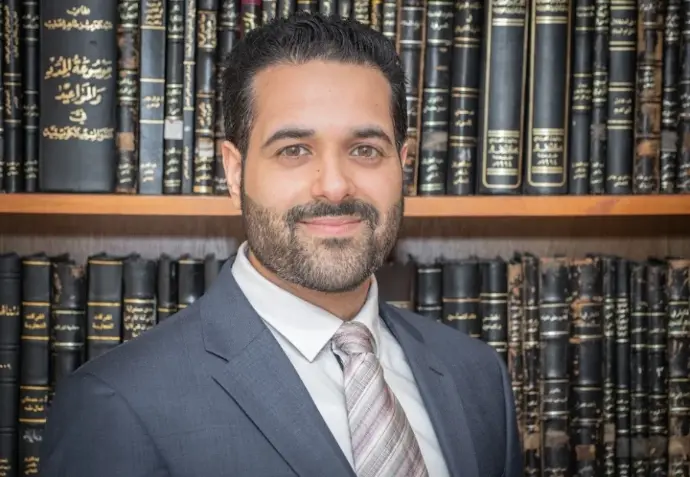
By Dr. Fawaz Khaled Alkhateeb
A reaction posted in seconds has now led to years behind bars. On April 2, 2026, a court ruling transformed what many still consider just a tweet into a matter of criminal liability drawing a clear line between expression and consequence.
The case involved an individual convicted over two posts published on the platform X. The content was deemed to incite hatred and fuel sectarian division. While such cases are not new, what makes this judgment particularly significant is not merely the outcome but the reasoning behind it.
The Court did not center its analysis on what the defendant intended to say. Instead, it focused on what the posts caused.
This distinction is critical. In its reasoning, the Court confirmed that for such offenses, the presence of general intent the awareness of what is being said and the decision to publish it, is sufficient. There is no requirement to prove a specific intent to harm. In other words, once a person knowingly publishes content in a public digital space, responsibility attaches not only to the words themselves, but to their foreseeable impact and that impact, as the Court emphasized, can be profound.
Public posts on open platforms do not remain confined to a single recipient. They reach an unlimited audience, often beyond the control of the original author. In such an environment, language that may be perceived as a reaction or a moment of anger can quickly escalate into something far more dangerous fueling tension, deepening divisions, and fostering hostility within society.
The Court went further to underline that such conduct is not a matter of private exchange. Social media platforms are, in legal terms, public spaces. What is said there carries the same, if not greater, weight as statements made in traditional public forums. This leads to an important legal and societal conclusion:
Freedom of expression is not absolute.
It is protected but within boundaries. Those boundaries are crossed when expression transforms into incitement, hatred, or an attack on the social fabric. Responding to offense with further offense does not provide legal justification. On the contrary, it may expose the responder to liability.
This is where many individuals miscalculate.
In moments of frustration or provocation, the instinct to respond immediately is understandable. But the law does not assess emotions, it assesses consequences. A reactive post, even if triggered by an initial insult, can carry independent legal weight. In some cases, it may be considered more harmful than the original act.
The judgment therefore delivers a clear message: In the digital age, responsibility is measured not only by what you say but by what your words set in motion.
From a practical standpoint, the correct course of action when faced with offensive or harmful content is not retaliation, but recourse. Legal systems provide structured mechanisms to address grievances mechanisms designed to protect both individual rights and societal stability.
Choosing confrontation over process does not resolve the issue. It escalates it.
At a broader level, this ruling sends a clear message: digital speech is no longer casual, it is consequential.
Courts are increasingly recognizing that what appears to be instantaneous and informal online expression can, in reality, produce lasting and far-reaching harm. In this case, that recognition translated into decisive action. The Court imposed a four year term of imprisonment, barred the accused from using his social media account for one year, and ordered the confiscation of his phone treating it as an instrument of the crime. This is not merely a judgment. It is a signal. Online speech is now being measured, regulated, and sanctioned with the full weight of the law. Ultimately, this is not about restricting speech. It is about safeguarding society. A community cannot function if public discourse is allowed to devolve into hostility and division. The law intervenes not to silence voices, but to ensure that expression does not become a tool for harm.
As individuals, professionals, and members of a connected society, the responsibility is clear:
Pause before posting. Reflect before reacting.
And remember what feels like a moment may carry consequences that last far longer. In the end, the law does not protect anger. It protects order, stability, and the collective interest of society.
Source: Arab Times
بقلم الدكتور فواز خالد الخطيب
رد فعل كُتب في ثوانٍ قد ينتهي بسنوات خلف القضبان. ففي 2 أبريل 2026، صدر حكم قضائي حوّل ما يعتبره كثيرون مجرد تغريدة إلى مسألة مسؤولية جنائية، واضعًا حدًا واضحًا بين التعبير ونتائجه.
تعلّقت القضية بإدانة شخص بسبب منشورين على منصة “X”، حيث اعتُبر محتواهما محرضًا على الكراهية ومغذيًا للانقسام الطائفي. ورغم أن مثل هذه القضايا ليست جديدة، فإن ما يميز هذا الحكم ليس نتيجته فقط، بل الأساس الذي بُني عليه.
لم تركز المحكمة على نية المتهم، بل على الأثر الذي أحدثته منشوراته. وهذا الفارق جوهري. فقد أكدت المحكمة أن توافر القصد العام أي إدراك ما يُنشر واتخاذ قرار نشره يكفي لقيام الجريمة، دون الحاجة لإثبات قصد خاص بإحداث الضرر. وبمعنى آخر، فإن نشر محتوى في فضاء رقمي عام يرتب مسؤولية لا عن الكلمات فحسب، بل عن آثارها المتوقعة، وهي آثار قد تكون عميقة وممتدة.
فالمنشورات العامة على المنصات المفتوحة لا تبقى ضمن نطاق محدود، بل تصل إلى جمهور غير محدود، وغالبًا خارج سيطرة كاتبها. وفي هذا السياق، قد تتحول كلمات كُتبت كرد فعل أو لحظة غضب إلى عامل تأجيج للتوتر، وتعميق للانقسامات، ونشر للعدائية داخل المجتمع.
وأوضحت المحكمة أن هذا النوع من السلوك لا يُعد تواصلاً خاصًا، بل يدخل في نطاق الفضاء العام. فوسائل التواصل الاجتماعي تُعد، قانونًا، ساحات عامة، وما يُنشر فيها يحمل ذات الأثر—إن لم يكن أكبر—من التصريحات في المنابر التقليدية. ومن هنا تبرز نتيجة قانونية ومجتمعية مهمة:
حرية التعبير ليست مطلقة.
فهي مكفولة، ولكن ضمن حدود، تُتجاوز عندما يتحول التعبير إلى تحريض أو كراهية أو مساس بالنسيج الاجتماعي. كما أن الرد على الإساءة بإساءة أخرى لا يشكل مبررًا قانونيًا، بل قد يعرّض صاحبه للمساءلة.
وهنا يقع الكثيرون في الخطأ. ففي لحظات الغضب أو الاستفزاز، قد يبدو الرد الفوري أمرًا طبيعيًا، لكن القانون لا يُقيّم المشاعر، بل يُقيّم النتائج. وقد يحمل منشور رد الفعل، حتى وإن كان ردًا على إساءة، مسؤولية مستقلة، بل وقد يُعتبر في بعض الحالات أكثر ضررًا من الفعل الأصلي.
ويحمل هذا الحكم رسالة واضحة: في العصر الرقمي، لا تُقاس المسؤولية بما يُقال فقط، بل بما تُحدثه الكلمات من أثر.
ومن الناحية العملية، فإن التعامل الصحيح مع المحتوى المسيء لا يكون بالمواجهة، بل باللجوء إلى الوسائل القانونية. فالنظم القانونية توفر آليات منظمة لمعالجة الشكاوى، بما يضمن حماية الحقوق الفردية والحفاظ على استقرار المجتمع. أما اختيار التصعيد بدلًا من اتباع الإجراءات، فلا يحل المشكلة، بل يفاقمها.
وعلى مستوى أوسع، يؤكد هذا الحكم أن التعبير الرقمي لم يعد أمرًا عابرًا، بل أصبح ذا تبعات قانونية حقيقية. فالمحاكم باتت تدرك أن ما يبدو تعبيرًا لحظيًا وغير رسمي قد يُحدث آثارًا عميقة ومستدامة.
وفي هذه القضية، تُرجمت هذه القناعة إلى إجراءات حاسمة، حيث قضت المحكمة بالسجن لمدة أربع سنوات، ومنعت المتهم من استخدام حسابه على وسائل التواصل الاجتماعي لمدة عام، مع مصادرة هاتفه باعتباره أداة الجريمة.
وهذا ليس مجرد حكم، بل رسالة واضحة: إن التعبير عبر الإنترنت أصبح يخضع للتقييم والتنظيم والمساءلة بكامل قوة القانون.
وفي جوهر الأمر، لا يتعلق ذلك بتقييد حرية التعبير، بل بحماية المجتمع. فلا يمكن لأي مجتمع أن يستمر إذا تُرك الخطاب العام لينزلق نحو الكراهية والانقسام. فالقانون لا يتدخل لإسكات الأصوات، بل لضمان ألا تتحول حرية التعبير إلى وسيلة للإضرار بالآخرين.
وفي ظل هذا الواقع، تصبح المسؤولية واضحة:
تأنَّ قبل أن تنشر، وفكّر قبل أن ترد.
فما يبدو لحظة عابرة قد يحمل آثارًا تمتد لسنوات. وفي النهاية، القانون لا يحمي الغضب، بل يحمي النظام، والاستقرار، والمصلحة العامة للمجتمع.
المصدر: Arab Times