
2020-06-03
«Taher Group Law Firm» and «Medical International»: 7 Recommendations to Reduce the Risk of COVID-19 Infection
Taher Group Law Firm and Kuwait Medical International have jointly prepared a concise legal–health study outlining occupational health and safety standards for employers, employees, and related stakeholders in the private sector, particularly in activities permitted to operate under partial lockdown conditions.
The study aims to mitigate the impact and spread of the pandemic by guiding employers to comply with Ministry of Health regulations and to implement proper health and occupational safety measures.
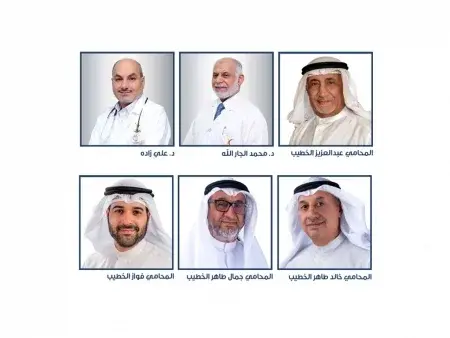
From the legal side, the study was prepared by attorneys Abdulaziz, Khaled, Jamal AlKhateeb, and Dr. Fawaz Khaled AlKhateeb of Taher Group Law Firm. From the medical side, it was prepared by Dr. Mohammed Al-Jarallah and Dr. Ali Mehdi Zadeh, managing partners of Kuwait Medical International, along with their medical team.
Professional Practices
The study highlights best professional practices for resuming work—even partially—during the COVID-19 pandemic, relying on official and credible sources, including decisions issued by the Ministry of Health, the Council of Ministers, and relevant authorities. It emphasizes the importance of requiring employees to use protective measures, providing appropriate personal protective equipment (PPE), and training them on proper usage such as masks, gloves, and non-contact temperature screening devices for all individuals entering the workplace, whether employees or visitors, at the employer’s expense.
Key Recommendations
1. Risk Awareness
Employers must educate employees before resuming work about COVID-19 risks and necessary preventive measures. Clear instructions, signage, and awareness posters in understandable languages should be displayed prominently to promote mask-wearing, hygiene, and physical distancing.
2. Safety and Protective Equipment
Employers are required to provide essential protective supplies, including masks, gloves, and sanitizers, as the pandemic constitutes a workplace hazard due to interaction between employees and others. Proper usage of such equipment must be strictly enforced.
3. Remote Work
The study recommends partial operation through remote work wherever possible to support social distancing. Employers should take reasonable steps to facilitate remote work and exempt high-risk individuals from physical attendance by assigning them remote duties.
4. Risk Assessment Committees
Employers are advised to establish internal committees to regularly assess pandemic-related risks by monitoring official updates and coordinating with relevant stakeholders, including labor unions. These committees should also conduct periodic internal inspections. Under the law, infected employees are entitled to full pay during treatment as determined by a physician; if the treatment exceeds six months, half pay applies thereafter.
5. Social Distancing
Workspaces should be reorganized to ensure at least two meters of distance between employees. Visitor access should be minimized and scheduled in advance to avoid crowding and direct contact during partial lockdown.
6. Workspace Separation
Employers should consider installing physical barriers in shared spaces and adopt work patterns that prevent gatherings. Direct visits between colleagues should be limited, with communication conducted via phone or digital means.
7. Cleaning and Disinfection
Regular and thorough cleaning and disinfection of workplaces are essential. High-touch surfaces such as door handles and keyboards must be sanitized frequently. Hand sanitizers should be available throughout the workplace, especially at entry and exit points, along with proper handwashing facilities.
Source: Alanba
أعدت مجموعة طاهر القانونية وشركة كويت ميديكال إنترناشيونال دراسة قانونية صحية موجزة، استعرضت فيها ضوابط السلامة الصحية والمهنية لأرباب العمل والعاملين والمتعاملين معهم في القطاع الخاص، وذلك في القطاعات المسموح لها بممارسة أعمالها تحت ظروف خطر الوباء.
وتهدف الدراسة إلى تفادي آثار وتداعيات انتشار الوباء والحد منه، وذلك بتوجيه أرباب العمل للالتزام بقرارات وزارة الصحة نحو توفير الضوابط الصحية والسلامة المهنية.
وأعد هذه الدراسة من الجانب القانوني كل من المحامين عبدالعزيز وخالد وجمال الخطـــيب وفواز خالد الخطيب من مجـــموعة طـاهر القانونية، ومن الجانب الطبي والصحي د.محمد الجار الله ود.علــي مهدي زاده المـــديران والشريكان في شركة كويـــت ميديكال إنترناشيونال وفريقهم الطبي.
الممارسات المهنية
وتعرض الدراسة أفضل الممارسات المهنية عند العودة للعمل ولو بشكل جزئي في ظل انتشار وباء كورونا، بالاعتماد على عدة مصادر رسمية موثوقة ومنها قرارات وزارة الصحة ومجلس الوزراء والجهات ذات الصلة، وأشارت إلى أهمية إلزام العاملين باستخدام وسائل الوقاية مع توفير أدوات الوقاية الشخصية المناسبة وتدريبهم على استخدامها مثل الكمامات والقفازات وجهاز قياس حرارة الجسم عن بعد لفحص كل الداخلين لمقر الشركة سواء من العاملين أو الزائرين للمنشأة على نفقة رب العمل.
وتغطي الدراسة سبع توصيات رئيسية يتوجب مراعاة تطبيقها في مكان العمل بهدف الحد من إصابة العاملين وهي:
التوعية بالمخاطر
تشير الدراسة الى الأهمية قيام أصحاب العمل بتثقيف العاملين قبل مزاولة العمل حول المخاطر التي قد يتعرضون لها بسبب فيروس كورونا ووسائل الوقاية التي يجب عليهم اتخاذها، وتوصي بوضع تعليمات ولوحات إرشادية وملصقات بلغة مفهومة وعلامات تحذيرية في أماكن ظاهرة بمكان العمل تحث على الالتزام باستعمال وسائل الوقاية، وارتداء الكمام، والمحافظة على التباعد الجسدي.
معدات السلامة والوقاية
توصي الدراسة أرباب العمل بتوفير أدوات السلامة الصحية من الكمامات والقفازات والمطهرات اللازمة للعاملين على اعتبار أن الوباء سيشكل صورة من صور أخطار العمل نتيجة الاختلاط المباشر بين العاملين والغير، ومن ثم يجب على أرباب العمل توفير وسائل الحماية مع أهمية التعميم على العاملين باستعمال وسائل الوقاية.
العمل عن بُعد
توصي الدراسة بأن يتم التشغيل جزئيا للمنشأة من خلال تشجيع من يمكن من العاملين على العمل عن بعد تحقيقا للتباعد الاجتماعي المنشود، مع اتخاذ جميع الخطوات المعقولة لمساعدة العاملين على العمل عن بعد وأهمية إعفاء من هم معرضون لمخاطر أكبر أن يتم إعفاؤهم من العمل المباشر وتكليفهم بالعمل عن بعد.
لجان تقييم المخاطر
وتوصي الدراسة أرباب العمل بإنشاء لجنة من المديرين للقيام بإجراء تقييم مخاطر الفيروس بشكل دوري بمتابعة تصريحات الجهات الرسمية والتشاور من قبل اللجنة المشكلة من مديري المنشأة، وكذلك بالتواصل مع النقابات العمالية وتقوم تلك اللجنة بمتابعة المصادر الرسمية التي تنشر أخبار ومستجدات الوباء وكل ما يتعلق بالصحة والسلامة والعمل، وقيام اللجنة بإجراء تفتيش داخلي دوري على المنشأة ووفقا للقانون يكون للعامل المصاب الحق في تقاضي أجره طوال فترة العلاج التي يحددها الطبيب، وإذا زادت على ستة أشهر يدفع له نصف الأجر فقط.
التباعد الاجتماعي
توصي الدراسة بإعادة تصميم مساحات العمل بترك مسافة مترين على الأقل بين مكاتب العاملين بأماكن عملهم، مع تقليل دخول الزائرين قدر الإمكان، وتنظيم دخولهم بمواعيد مسبقة منعا من التزاحم والاحتكاك المباشر في ظل الحظر الجزئي.
فصل مكاتب العاملين
وتوصي الدراسة أصحاب العمل النظر في وضع حواجز في المساحات المشتركة وأن يتم إنشاء أنماط عمل تحول دون تجمع الأشخاص وعدم زيارة مكاتب الزملاء والتواصل بينهم من خلال الهاتف الأرضي أو الموبايل.
عمليات التنظيف والتعقيم
توصي الدراسة أصحاب العمل بإجراء تعقيمات وتنظيفات دورية لأماكن العمل بشكل متكرر، ومسح الأسطح بمطهرات بما يضمن التعقيم، مع التركيز على الأماكن عالية الاستخدام مثل مقابض الأبواب ولوحات المفاتيح، كما توصي بتوفير مطهرات اليد في أرجاء مقر العمل وعند نقاط الدخول والخروج، وكذلك توفير مرافق لغسل اليدين.
المصدر: الأنباء